Opening Remarks

For those registering for free: Coffee and refreshments are available at the hotel bistro on an individual basis and at your own expense.
For guests with wristbands: One coffee and one refreshment are available throughout the day at the designated catering location. (Additional purchases are available at the hotel bistro at your own expense.)
For those who have registered for free: We will provide lunch during the conference at the designated location under the Arcades (near the Bistro entrance).

For guests with wristbands: Lunch and dinner are available in the Restaurant.
As the operational energy needs of buildings decrease, the embedded carbon resulting from the production, transportation, installation, and end-of-life of materials is becoming increasingly significant. This session explores how the building materials industry can contribute to reducing total life-cycle carbon emissions through solutions based on low-carbon, circular, recycled, and renewable raw materials. Through specific products, technologies, and market examples, we are exploring what can be implemented today and what is needed for their widespread adoption.
The government is planning a new rental housing construction project, which could be an important step toward meeting housing needs and expanding the country’s rental housing stock. At the same time, it is worth examining when it is justified to build new rental housing and in what cases it may be more practical to renovate existing, underutilized, or obsolete buildings—such as office buildings—and convert them into residential use. This decision is influenced by technical, regulatory, financial, and real estate market considerations, while the utilization of the existing building stock can also strengthen sustainability and climate protection goals.
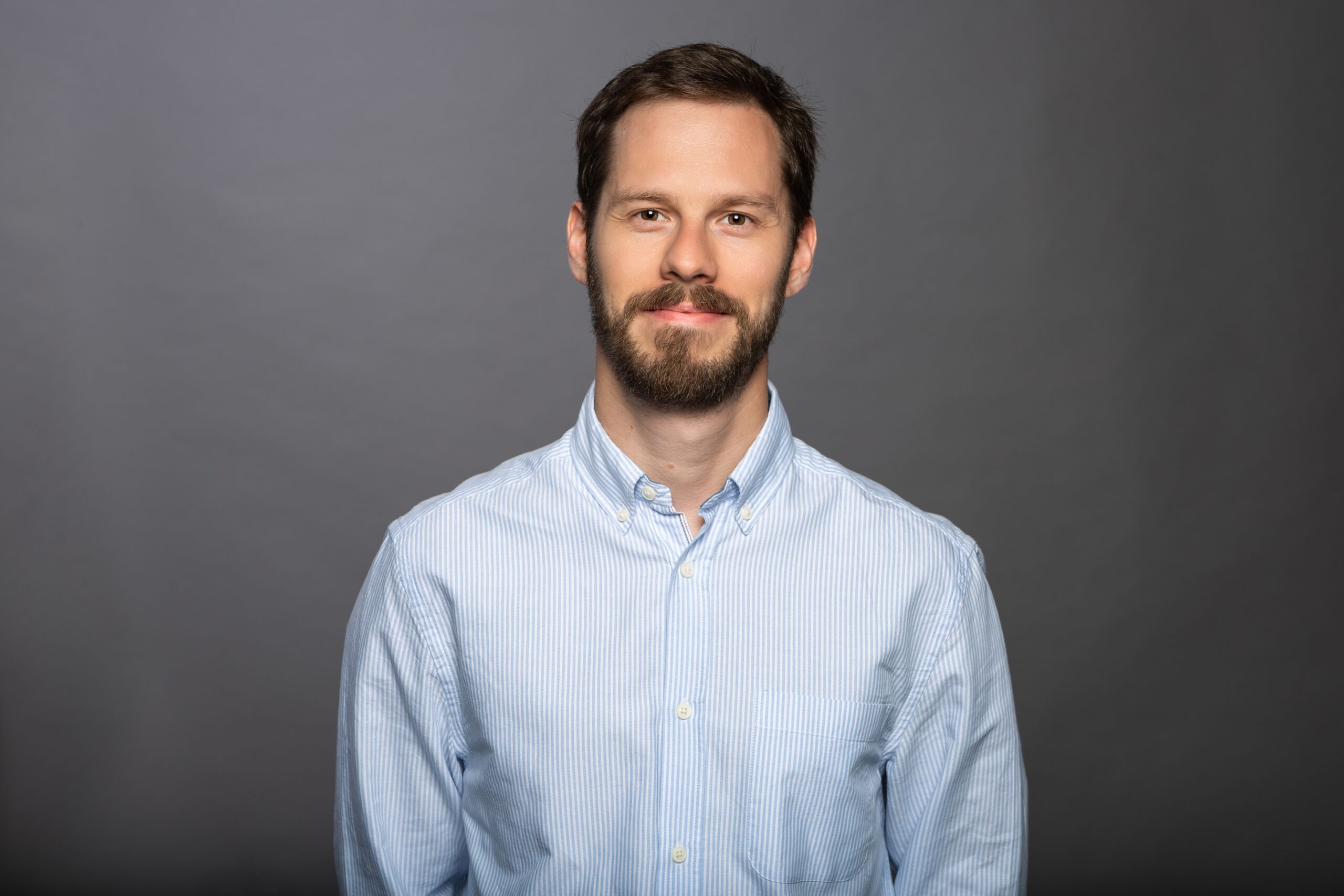
The roundtable will bring together perspectives from the government, institutions, large corporations, and SMEs to explore how vocational training can be adapted to rapidly changing technologies, corporate needs, and the professional competencies of the future. A key topic will be how to make careers in the construction industry more attractive and how to foster closer, practical cooperation between vocational training programs and businesses.
For those registering for free: Coffee and refreshments are available at the hotel bistro on an individual basis and at your own expense.
For guests with wristbands: One coffee and one refreshment are available throughout the day at the designated catering location. (Additional purchases are available at the hotel bistro at your own expense.)
Quality, architectural identity, and international competitiveness are all key factors in shaping the future of Hungarian architecture. By bringing together the perspectives of government, professional, design, and market stakeholders, the roundtable seeks to identify the architectural trends and values that will define Hungary’s coming decades. The central question is how to create a built environment that both preserves and reinterprets the character of Hungarian architecture while meeting the challenges of sustainability, innovation, and international competition.
The Women’s Excellence in Construction Award and the Young Excellence in Construction Award recognize the achievements of professionals who play a prominent role in the digital, innovative, and sustainable transformation of the Hungarian construction industry. The purpose of the awards is to draw national attention to influential female professionals and talented individuals under the age of 35 who are shaping the future of the sector from professional, economic, and technological perspectives. Applications for the awards can be submitted on the conference website.
Participants in the Conference Festival will have the opportunity to sample excellent Hungarian wines during a casual wine-tasting event. In addition to fine wines and professional networking, the evening will be rounded out by shared experiences and casual conversations. The program is made possible with the support of our sponsoring partner.
President
How to Grow Your Company! - Process and Project Management Approaches and Tools for Construction SMEs
16:55
–
17:15
Architect, Revit Operational Strategy
AI in Design and Construction
16:10
–
16:50
founder and CEO
Technical Director
BIM Expert
From BIM to Building Intelligence – How Digital Building Data Becomes Operational Value
12:20
–
12:40
mayor
director
Associate Professor
AI in Design and Construction
16:10
–
16:50
Dean
Chairperson
BIM: What Does the Hungarian Chamber of Engineers Expect from BIM—and What Does BIM Expect from Hungarian Engineers?
13:10
–
13:25
ESG and Sustainability Director
Circular Economy and Innovative Material Utilization
13:05
–
13:50
Vice President of IFK, Strategic Director of Metrodom
What Should We Build? Chief Architects, Developers, and Designers in the Ring – A Comparison of Insights from the National Chief Architects Forum
18:10
–
19:00
AI Researcher, Founder of Mastery of Digital; Expert in Construction Digitalization
AI in Construction: What Really Works Today?
14:50
–
15:15
Representative of LEO FM
BIM Won't Fix the Leaky Pipe – The Path to Data-Driven Facility Management
13:25
–
13:40
Real Estate Management Industry Leader
Chief Operating Officer
Cross-Project Digitalization
17:15
–
17:30
Melbourne-based registered architect (ARBV)
construction expert
Director of Vocational Training
Who Will Build the Future of Hungary? – Roundtable on Vocational Training in the Construction Industry
15:20
–
16:10
CEO
Managing Director
Artificial Intelligence in Design Software I
15:55
–
16:15
President
Opening Remarks
10:00
–
10:10
Managing Director
AI-Based Construction Monitoring Using Satellite Data
15:35
–
15:55
CEO
Who Will Build the Future of Hungary? – Roundtable on Vocational Training in the Construction Industry
15:20
–
16:10
Founder and Managing Director, Founder of nodu.build
The Hungarian Response to the Archicad–Revit Challenge
15:15
–
15:35